
Understanding the shift toward modern hair restoration
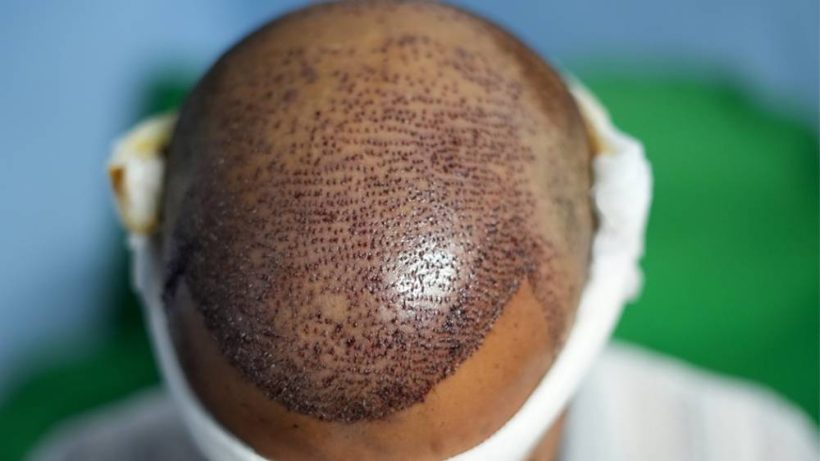
For many people living in Scotland, the decision to address hair loss isn’t just about vanity; it is about reclaiming a sense of self that feels like it is slowly receding along with the hairline. If you have spent any time walking through the windy streets of the city centre, you know that keeping a hairstyle in place is hard enough without worrying about thinning patches or a widening crown. This is exactly why more people are looking into the specifics of a fue hair transplant glasgow than ever before. The technology has moved on significantly from the days of obvious ‘plugs’ or invasive surgeries that left long, linear scars across the back of the head.
Follicular Unit Extraction, or FUE, has become the gold standard for those wanting a discreet and effective solution. Unlike older methods, FUE involves the individual extraction of hair follicles from a donor area—usually the back or sides of the head where hair is more resistant to balding—and moving them to the areas where they are needed most. Because the process is so precise, it allows for a much more natural-looking result that blends seamlessly with your existing hair.
What actually happens during an FUE procedure?
One of the most common questions people ask when considering a fue hair transplant glasgow is what the day of the surgery actually looks like. It is often a lot less daunting than people imagine. Most procedures are performed under local anaesthetic, meaning you are awake and comfortable throughout the day, often spending the time watching films, listening to podcasts, or simply chatting with the surgical team.
The process begins with the surgeon carefully marking out the new hairline or the areas to be densified. This is perhaps the most critical stage because it requires an artistic eye to ensure the hair will grow in a direction and pattern that looks age-appropriate and natural. Once the area is numbed, the surgeon uses a specialised micro-punch tool to extract individual follicular units. These units contain between one and four hairs each. After extraction, these follicles are meticulously prepared and then implanted into tiny incisions in the recipient area.
Why the FUE method is preferred by patients
There are several reasons why FUE has overtaken the traditional ‘strip’ method (FUT). For many, the lack of a visible scar is the biggest selling point. If you prefer to wear your hair short, you don’t have to worry about a tell-tale line being visible at the back. Here are some of the primary benefits that patients often cite:
- Minimal scarring: The tiny circular scars left by the micro-punch are virtually invisible to the naked eye once healed.
- Faster recovery: Most patients find they can return to their normal routine, including work, within a week or two.
- Natural results: Because follicles are placed individually, the surgeon can mimic the natural angle and density of your hair.
- Less discomfort: Since there are no stitches or scalpels involved in the traditional sense, the post-operative discomfort is usually very manageable with standard over-the-counter pain relief.
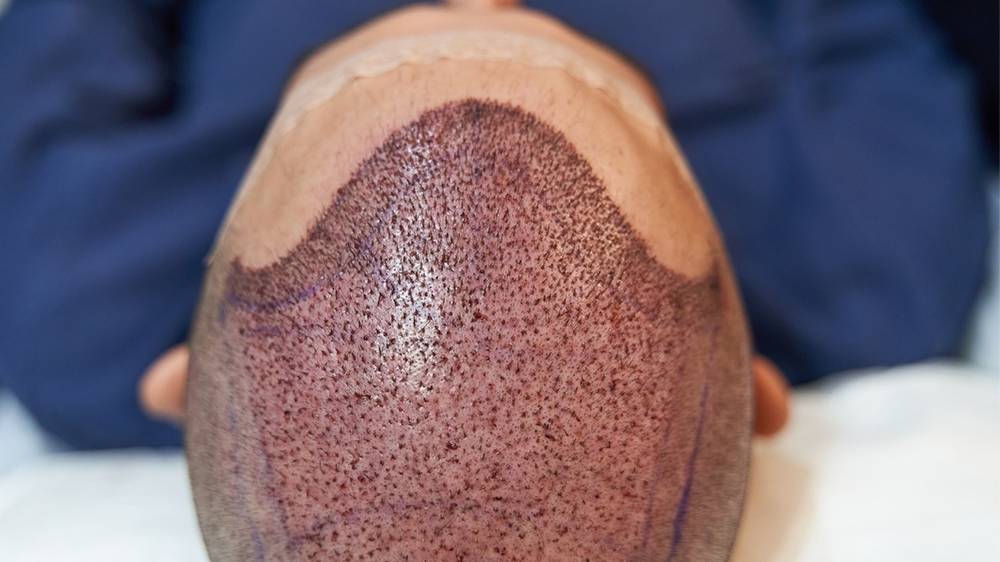
Choosing the right clinic in Glasgow
Glasgow has established itself as a hub for medical excellence, and hair restoration is no exception. However, with the rise in popularity of these procedures, it is more important than ever to do your due diligence. A hair transplant is a permanent change to your appearance, so finding a surgeon who prioritises patient safety and natural aesthetics is paramount. When looking for a fue hair transplant glasgow, you should look for a clinic that offers a surgeon-led experience rather than one where you only speak to sales consultants.
A reputable clinic will always insist on a thorough consultation. This isn’t just about checking if you have enough donor hair; it’s about understanding your medical history, the stability of your hair loss, and your long-term expectations. Hair loss is a progressive condition, so a good surgeon will plan not just for how you look next year, but how you will look ten or twenty years down the line.
Key questions to ask during your consultation
If you are feeling a bit overwhelmed by the options, it helps to have a checklist of things to ask when you meet a specialist. You want to ensure that the person performing the surgery is highly experienced and that the clinic follows strict safety protocols. Consider asking the following:
- Who exactly will be performing the extraction and the implantation?
- How many FUE procedures does the surgeon perform on a weekly basis?
- Can I see a portfolio of before-and-after photos of previous patients with similar hair types to mine?
- What is the long-term plan if my hair loss continues in other areas?
- What kind of aftercare support is included in the cost of the procedure?
The reality of the recovery timeline
It is important to have realistic expectations about the timeline of your results. You won’t walk out of the clinic with a full head of hair immediately. In fact, there is a phase known as ‘shock loss’ where the newly transplanted hairs fall out a few weeks after the procedure. This is completely normal and is simply the follicle’s way of resetting before it begins to grow new, permanent hair.
By the three-month mark, you might start to see fine, thin hairs emerging. By six months, the change is usually significant enough that friends and family will start to notice a difference. The final result of a fue hair transplant glasgow typically takes between 12 and 18 months to fully mature. Patience is key, but for most, the wait is well worth it when they finally see a fuller hairline in the mirror.
Essential post-operative care tips
How you treat your scalp in the days following the surgery can have a big impact on the final outcome. Your clinic will provide you with a detailed aftercare package, but there are a few general rules that most patients need to follow to ensure the grafts take hold successfully:
- Avoid touching the grafts: It is tempting to feel the new texture, but for the first few days, the grafts are very fragile and must not be disturbed.
- Sleep upright: Using an extra pillow to keep your head elevated for the first few nights can help reduce any swelling.
- Gentle washing: You will be given specific instructions on how to wash your hair using a gentle cup-pouring method rather than a high-pressure shower head.
- Skip the gym: Strenuous exercise increases blood pressure to the scalp, which can lead to swelling or even dislodging grafts, so it is best to take it easy for at least a fortnight.
- Protect from the sun: A sunburned scalp can damage the healing follicles, so wearing a loose-fitting hat (once permitted) is essential during the Scottish summer or if travelling abroad.
The long-term value of a hair transplant
While the initial cost of a fue hair transplant glasgow might seem like a significant investment, many people find it more cost-effective in the long run compared to a lifetime of expensive lotions, temporary concealers, or hairpieces. Beyond the financial aspect, the boost in confidence is often the most cited benefit. Being able to go to the gym, swim, or simply walk through a rainy Glasgow afternoon without worrying about how your hair looks provides a level of freedom that is hard to put a price on.
Modern techniques mean that the results are no longer a ‘one size fits all’ approach. Surgeons now take into account the colour, texture, and curl of your hair to ensure the density matches your natural growth patterns. By choosing a local specialist in Glasgow, you also have the advantage of being able to attend follow-up appointments easily, ensuring that your healing process is being monitored by the experts who performed the procedure. This ongoing relationship between patient and clinic is often what makes the difference between a good result and a great one.

Charlotte Dawson is a dessert enthusiast and food writer with a focus on artisanal cakes, homemade confections, and high-tea delicacies. She shares tips on perfecting sponge textures, flavor pairings, and the art of baking with a vintage twist.


